
Uncategorized
TV Beds vs Wall-Mounted TVs: Which Works Better in a Main Bedroom?
Oct
Master bedrooms serve as peaceful sanctuaries for rest, relaxation, and evening entertainment. Choosing the right television setup transforms a standard sleeping area into an enjoyable personal retreat. Homeowners often weigh two popular entertainment solutions: TV beds and wall-mounted screens.
Both options offer distinct benefits regarding space management, aesthetic appeal, viewing comfort, and overall room functionality. We compare both configurations directly to help identify the ideal media solution for your sleeping space.
Understanding the Basics of Modern Bedroom Entertainment
Integrating technology into a bedroom requires careful balance between functionality and relaxation. A poorly positioned screen creates visual clutter or physical discomfort during late-night viewing. Modern bedroom designs prioritise clean layouts that protect relaxation zones while offering full access to digital entertainment.
TV Ottoman Beds feature an integrated mechanism inside the footboard that houses a screen. The television rises at the touch of a button and retracts completely out of sight when unused. Wall-mounted televisions secure directly onto drywall or masonry using adjustable brackets, freeing up floor space while keeping the screen permanently exposed.
Evaluating Visual Aesthetics and Bedroom Space
Layout constraints often dictate the best choice for bedroom media. Room size, wall availability, and furniture placement influence how seamlessly a television integrates into the space.
Integrated Screen Designs
A bed frame with a built-in media lift keeps screens completely hidden when not in use. This concealed design keeps the bedroom focused entirely on relaxation rather than technology.
- Hidden Technology: The screen disappears inside the footboard, preserving a clean aesthetic.
- Streamlined Appearance: Cable management remains fully internal, eliminating visible wires along walls or floorboards.
- Ideal for Minimalist Interiors: Concealing media equipment maintains a calm, uncluttered atmosphere.
Wall-Mounted Configurations
Mounting a television directly on a wall works well in rooms with limited floor space or long viewing distances.
- Floor Space Preservation: Wall brackets require zero floor clearance, making them suitable for compact rooms.
- Permanent Media Focal Point: The screen remains visible at all times, acting as a fixed room feature.
- Requires Cable Management: Hiding wires requires trunking, wall chasing, or external covers to maintain a tidy finish.
Comparing Viewing Comfort and Ergonomics
Screen height, viewing angle, and distance directly impact neck comfort during evening relaxation.
Ergonomic Placement in TV Beds
Footboard mechanisms position screens at the exact foot of the bed. This alignment positions the display directly in front of the viewer, preventing awkward neck angles or side strain.
- Direct Eye Line: Displays align centrally with the headboard for natural viewing positions.
- Optimal Distance: Distance scales naturally with bed length, providing sharp clarity for standard screens.
- Reduced Eye Strain: Centred placement allows comfortable viewing while lying fully flat or sitting propped up on pillows.
Ergonomic Placement with Wall Mounts
Wall brackets allow adjustable mounting heights, though static wall installations can sometimes create unnatural viewing angles from bed.
- Customizable Height: Mounting positions adapt freely to room geometry and wall studs.
- Tilting Capabilities: Motion mounts tilt downwards to compensate for higher wall placements.
- Variable Distances: Viewing distance depends heavily on where the bed sits relative to the opposite wall.
Storage Capacity and Room Functionality
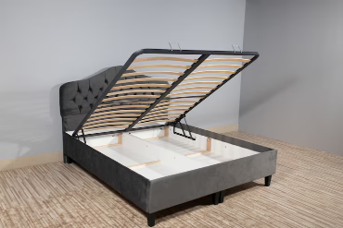
Modern master bedrooms require smart storage bed solutions to maximise floor space. Integrating entertainment media alongside practical storage helps keep bedrooms organised and free from clutter.
Maximising Storage with Specialised Bed Frames
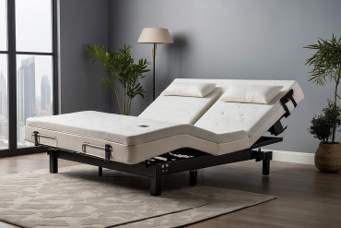
Bedroom media systems often pair naturally with under-bed storage mechanisms. Combining television footboards with gas lift beds creates expansive, hidden storage spaces underneath the mattress. These ottoman beds lift effortlessly to store extra bedding, seasonal clothing, or extra pillows without taking up extra floor area.
Choosing specialised storage beds eliminates the need for bulky wardrobes or extra dressers, creating a neat environment where technology and storage coexist seamlessly.
Storage Options with Wall Installations
Wall-mounted screens do not provide built-in storage. However, they leave the floor underneath open for low-profile furniture.
- Media Consoles: Placing a small credenza under a wall screen holds media boxes, gaming consoles, or soundbars.
- Floating Shelves: Wall-mounted shelves store small accessories while keeping floor space open.
- Flexible Layouts: Floor space below the TV remains flexible for freestanding furniture pieces.
Installation Complexity and Maintenance
Installation requirements vary significantly between integrated frames and wall bracket systems. Understanding installation demands prevents unexpected wall damage or complex electrical setups.
TV Bed Setup Requirements
Integrated frames arrive with internal tracking mechanisms, power supplies, and cable channels pre-installed within the furniture frame.
- Simple Assembly: Assembly follows standard bed construction steps with basic power connection.
- No Wall Drilling: Structural walls remain untouched, making this configuration rental-friendly.
- Enclosed Wiring: Power cables route internally through built-in channels straight to the wall outlet.
Wall Mount Setup Requirements
Fixing a television onto a wall demands structural assessment, drilling, and secure bracket anchoring.
- Wall Anchor Needs: Heavy screens require solid masonry or direct timber stud attachment.
- Cable Concealment: Routing power lines cleanly into walls often requires professional electrical work.
- Fixed Location: Moving a wall-mounted screen requires unmounting brackets, filling holes, and repainting drywall.
Which Media Solution Suits Your Master Bedroom Best?
Selecting the right setup comes down to room dimensions, design preferences, and storage requirements.
Choose an Integrated Screen Frame If:
- Maintaining a peaceful room aesthetic without visible electronics remains a top priority.
- Wall space in the bedroom is limited by large windows, fitted wardrobes, or sloped ceilings.
- Combining high-tech media mechanisms with vast under-bed storage creates a cleaner room layout.
- Living in a rented property where drilling heavy wall anchors is restricted.
Conclusion
Creating a tranquil main bedroom relies on balancing smart media technology with practical room organisation. While wall-mounted televisions offer flexible height positioning, integrated television bed frames deliver an unmatched combination of sleek cable concealment, direct ergonomic viewing, and hidden under-bed storage. For homeowners seeking a refined bedroom setup that seamlessly blends entertainment with clutter-free living, exploring premium frame options at hdbeds offers the ideal foundation for rest.
Frequently Asked Questions
Are TV beds a good option for rented properties?
Yes. A TV bed keeps the screen inside the footboard, so there is no need to drill into walls or fit heavy brackets. This makes it a practical choice where wall fixings are restricted by a tenancy agreement.
Can a TV bed also include under-bed storage?
Many TV bed designs pair the footboard lift with ottoman or gas lift storage beneath the mattress. Storage options vary by model, so check the product details to confirm what each frame includes.
What height should a bedroom wall TV be mounted at?
Aim for the centre of the screen to sit close to your eye line when sitting up in bed. If the screen has to go higher, a tilting mount angles it downwards to reduce neck strain.
Does a TV bed need a nearby power socket?
Yes. Both the lift mechanism and the television need mains power. Plan the bed position near a wall socket so the cable can run neatly from the frame without stretching across the floor.

