
Uncategorized
Why Do Wingback Beds Never Go Out of Style?
Aug
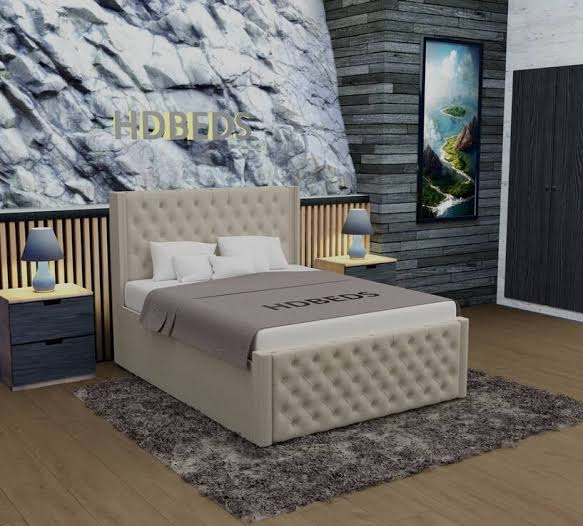
Bedroom design trends shift regularly, with colors, fabrics, and furniture shapes moving in and out of favor. One design, however, has maintained consistent popularity across decades: the wingback bed. This distinctive silhouette, featuring two raised side panels framing a tall headboard, continues to appear in showrooms and interior design collections alike.
This consistent demand reflects specific design and functional advantages that set wingback beds apart from other headboard styles.
What Defines A Wingback Bed
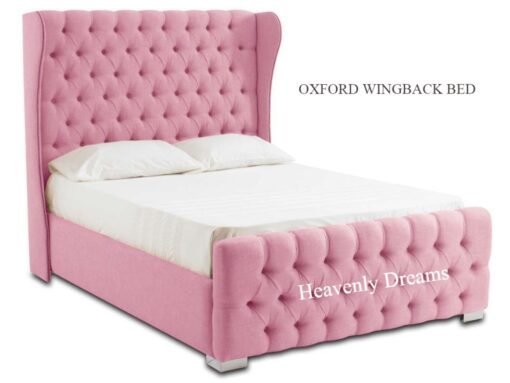
A wingback panel bed derives its name from wing chairs, traditional seating designed with side panels that extended around the shoulders for added warmth and support. This structural concept was later adapted into bedroom furniture, resulting in a headboard shape recognized for its tailored appearance.
The side panels serve a functional purpose beyond visual appeal. They frame the headboard, add vertical height to the room, and create a more structured, considered look compared to flat panel designs.
Key characteristics of the style include:
- Raised side panels extending from the headboard
- A tall center section, frequently padded or button tufted
- Upholstery available in fabric, faux leather, or velvet
- Defined stitching lines or piping along the panel edges
These design elements combine to produce a bed frame with a more finished and deliberate appearance.
Why This Design Has Proven Durable
Furniture trends typically follow predictable cycles, gaining popularity before being replaced by newer styles. The wingback design has largely avoided this pattern due to several contributing factors.
It Draws From Established Furniture Design
Wing chairs have been part of furniture history for centuries. Incorporating this shape into bedroom furniture gave wingback beds a sense of heritage that more recent, simpler headboard designs do not carry. Furniture shapes rooted in functional design tend to remain relevant longer than those driven purely by aesthetic trends.
It Adapts To A Range Of Interior Styles
A wingback frame suits traditional bedrooms with warm wood tones and works equally well in minimalist, neutral-toned spaces. Changing the fabric or color alters the overall character of the room without requiring a change of furniture. This adaptability contributes significantly to the design’s longevity.
It Adds Height Without Overwhelming The Room
Smaller bedrooms can appear compressed when furnished with low, flat pieces. A modern high headboard beds with wing panels draws the eye upward, creating a perception of additional height within the room. This visual effect is one reason interior designers continue to specify this shape for compact spaces.
Functional Benefits Beyond Appearance
While visual appeal accounts for much of the design’s popularity, wingback frames also offer practical advantages.
The side panels create a defined boundary around the pillow area, which benefits anyone who sits up in bed to read or watch television. The shoulders and arms rest against upholstered fabric rather than an open frame or exposed wall surface.
Some users also report that the enclosed structure helps reduce draught around the upper body during colder months, as the panels provide a degree of insulation that flat headboards do not offer.
Selecting The Right Wingback Bed For Your Bedroom
Several factors should be considered before selecting a wingback design, as not every configuration suits every room.
- Assess headboard height relative to ceiling height. Taller wing panels are well suited to rooms with higher ceilings, while smaller box rooms typically benefit from a lower profile design.
- Select fabric based on intended use. Velvet provides a luxurious finish but shows marks more readily than faux leather or tightly woven fabric alternatives.
- Match wing width to bed frame size. Wider panels are generally proportioned for king and super king frames, while narrower panels suit single and double sizes more effectively.
- Consider a special wingback bed with integrated storage. Ottoman or divan storage bases pair well with wingback headboards, combining the classic silhouette with practical under-bed storage capacity.
These considerations directly affect how the finished bed performs within a specific room, beyond how it appears in photographs.
Why The Style Continues To Perform Well Commercially
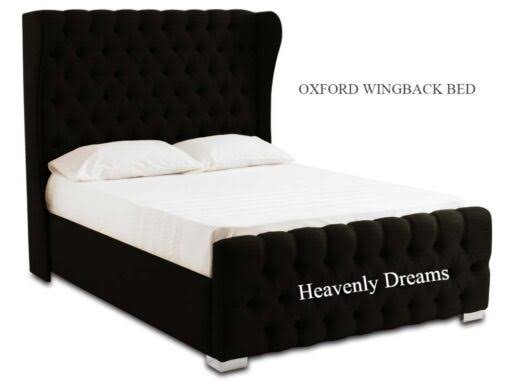
Retailers consistently report strong and sustained demand for wingback headboard designs. Several factors account for this pattern:
- The design photographs well, which supports online furniture browsing and purchasing decisions
- It suits both neutral, rental-friendly color schemes and bolder statement fabrics
- It integrates easily with existing bedroom furniture, reducing the need for a full room redesign
- It conveys a sense of craftsmanship and quality that simpler, flatter frames often lack
This sustained performance reflects genuine design and functional value rather than short-term trend appeal.
Conclusion
Bedroom furniture trends continue to evolve, yet certain designs maintain relevance because they address practical requirements such as proportion, comfort, insulation, and visual balance within a room. Wingback beds have consistently met these requirements without requiring significant redesign to remain appealing.
At Heavenly Dream Beds, our wingback frames are developed with these principles in mind, combining the classic silhouette with fabric choices, storage configurations, and finishes suited to contemporary UK bedrooms. Our current range reflects this approach for those seeking a headboard style that balances comfort with long-term design value.
Frequently Asked Questions
Are wingback beds suitable for small bedrooms?
Yes, provided headboard height is assessed against ceiling height beforehand. A narrower
wingback panel bed typically suits compact rooms more effectively without overwhelming the available space.
What fabric is most suitable for a wingback headboard?
This depends on intended use. Velvet offers a premium finish but requires more careful maintenance, while faux leather and tightly woven fabrics tend to withstand daily use with greater durability.
Do modern high headboard beds suit traditional bedroom interiors?
Yes. The wingback shape originates from classical furniture design, allowing it to complement warm wood tones and traditional decor as effectively as contemporary, minimalist interiors.
Is storage available with a wingback bed design?
Yes. Many buyers select a special wingback bed built onto an ottoman or divan base, combining the tailored headboard design with practical under-bed storage space.

